Journal
The stories behind the sites
Short reads on Bhutan's major sites, the history, what to look for and tips before you go, plus the practical side of a trip. Every article lists its sources, checked October and November 2026. Spot a mistake? Each page has a box to tell us.
Plan your trip
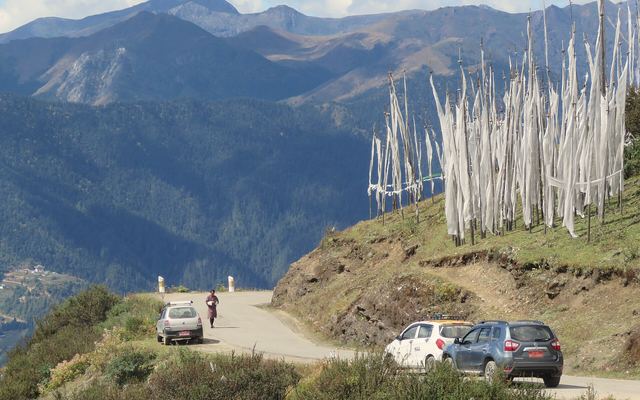 The best time to visit BhutanSpring and autumn bring clear skies and the big festivals. Summer is green and quiet. Winter is cold, clear and the cheapest time to come.
 The visa and the SDF, in plain wordsMost visitors need a US$40 visa and pay a Sustainable Development Fee of US$100 a night. Indian, Bangladeshi and Maldivian visitors use a permit instead.
 Getting to BhutanMost visitors fly into Paro, the only international airport, on one of the most famous approaches in the world. Some cross by road from India.
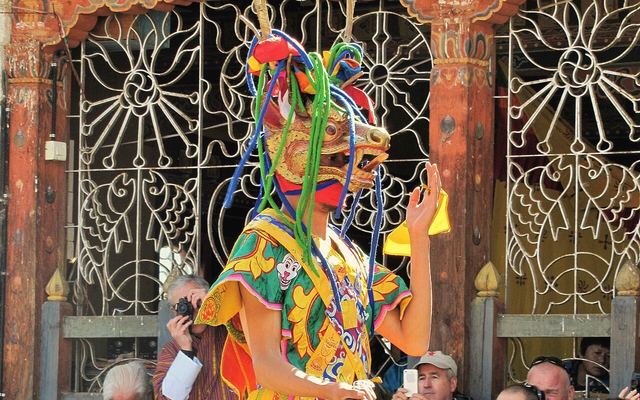 Tshechus: what happens at a Bhutanese festivalDays of masked dances in a dzong or temple courtyard, held to honour Guru Rinpoche. Families come in their finest clothes and stay all day.
 Altitude in Bhutan, and how to prepareParo and Thimphu sit above 2,200 m, and the passes and Tiger's Nest above 3,000 m. Enough to feel on the stairs, and a real factor on a trek.
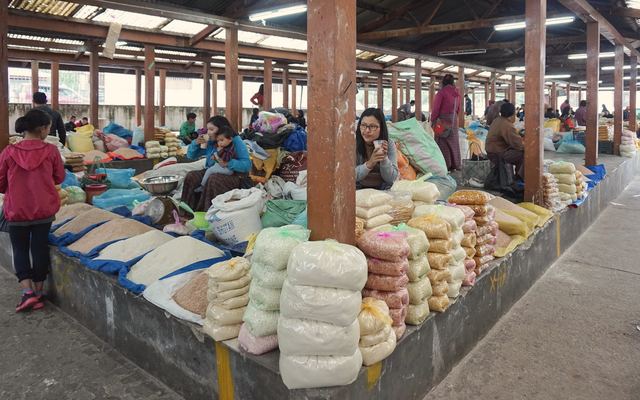 Bhutanese food, from ema datshi to butter teaChillies are a vegetable here, not a spice. The national dish, the red rice, the buckwheat of Bumthang and what to drink.
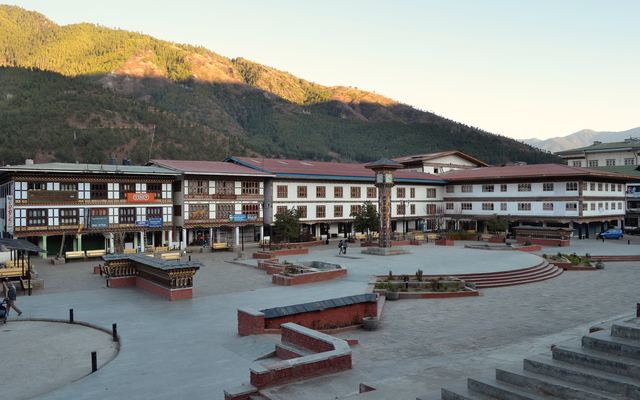 Money in Bhutan: ngultrum, rupees and cardsThe ngultrum is pegged one to one to the Indian rupee. Carry some cash for villages and small shops, and a card for the bigger hotels.
Thimphu
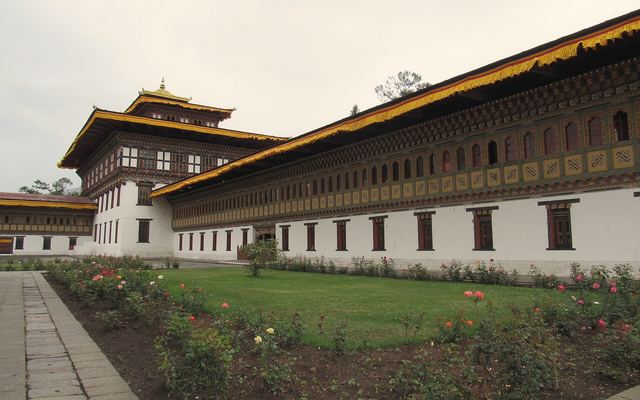 Tashichho DzongThe fortress at the north end of Thimphu. It holds the throne room and the King's office, and in summer the country's central monk body.
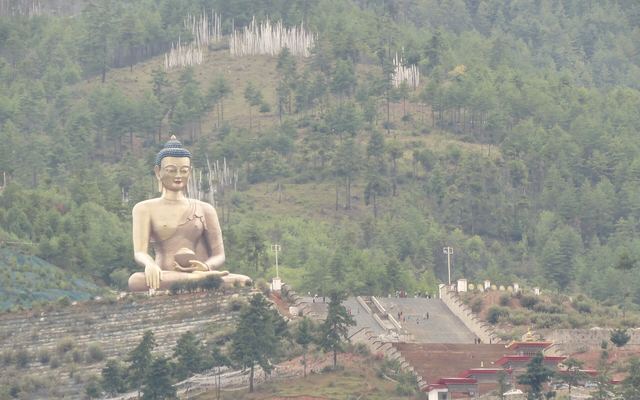 Buddha DordenmaA giant bronze Buddha on the hill above southern Thimphu, finished in 2015, with 125,000 smaller Buddhas inside.
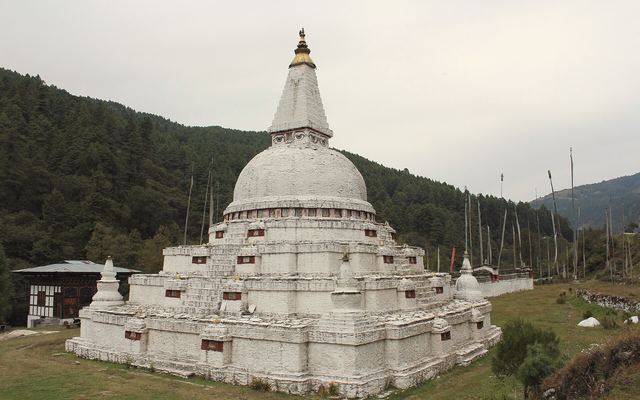
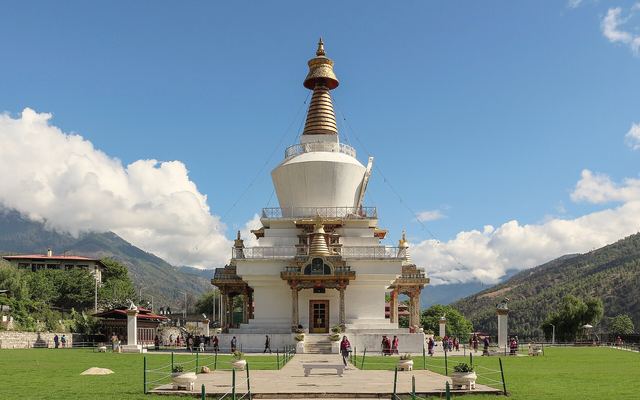 National Memorial ChortenThe white stupa in the middle of Thimphu, built in 1974 in memory of the Third King. People walk round it from dawn to dusk.
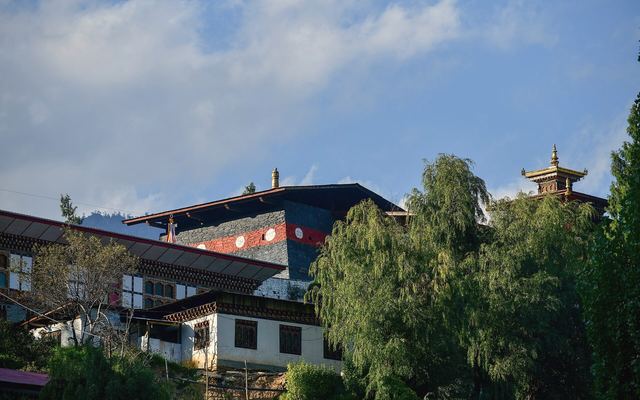 Changangkha LhakhangA 13th-century temple on a ridge above Thimphu, where parents bring newborn babies to be blessed and named.
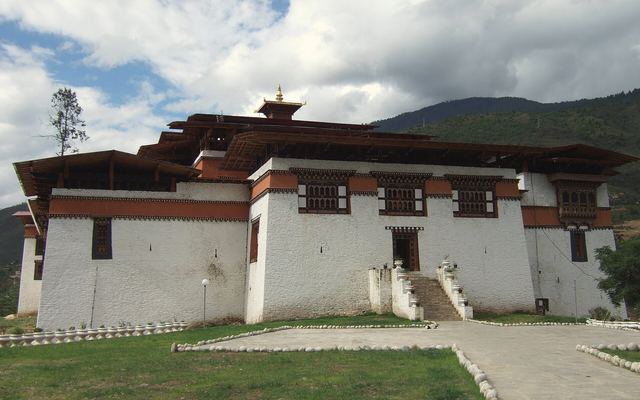 Simtokha DzongBegun in 1629, one of the first dzongs Zhabdrung Ngawang Namgyal built. It guards the road into the Thimphu valley.
- Centenary Farmers MarketThimphu's big market by the river, opened in 2008. Chillies, red rice, dried cheese and everything else Bhutan cooks with.
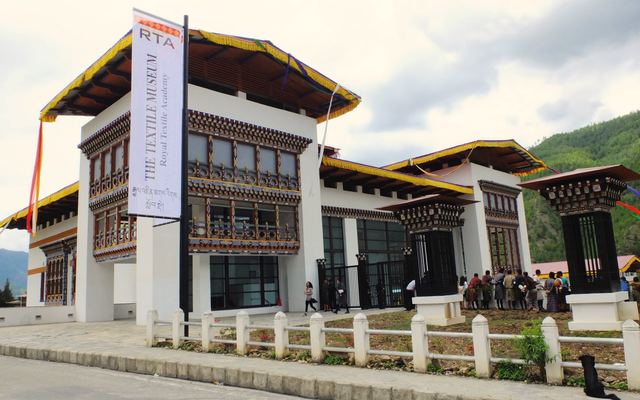 Royal Textile AcademyBhutan's museum and school of weaving, launched in 2013 under the Queen Mother. Go before you buy any cloth.
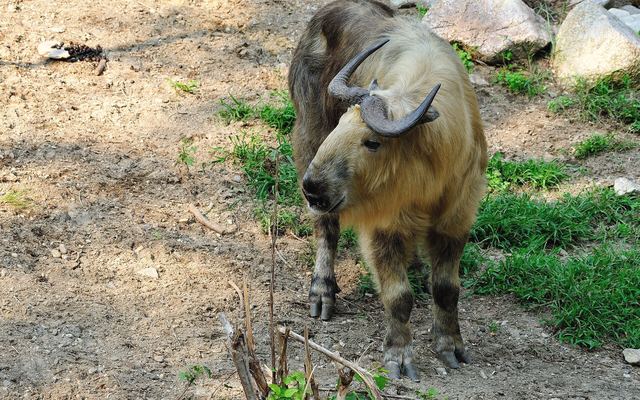 Motithang Takin PreserveA forest enclosure above Thimphu where you can see the takin, Bhutan's odd and much-loved national animal.
- Folk Heritage MuseumA farmhouse over 150 years old, now a museum of how rural Bhutanese families lived, cooked and stored their grain.
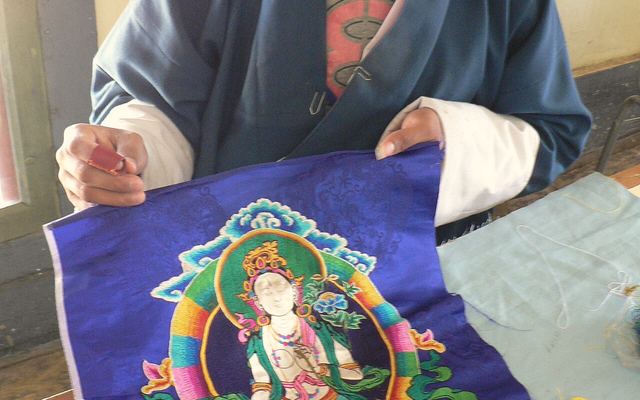 National Institute for Zorig ChusumThe school of Bhutan's thirteen traditional arts, founded in 1971. Watch students paint, carve and embroider.
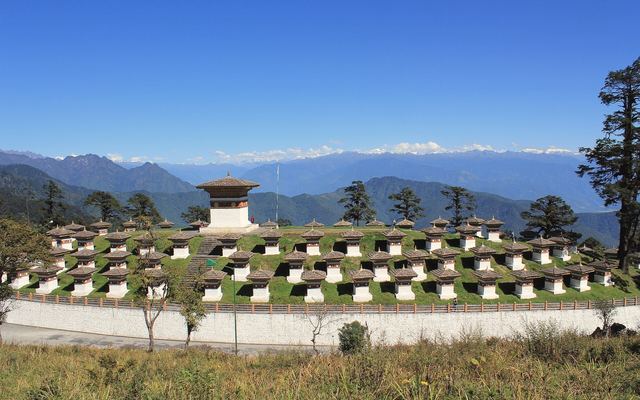
- Dochula Pass and the 108 chortensA pass at about 3,100 m between Thimphu and Punakha, crowned with 108 white chortens built for peace.
Paro
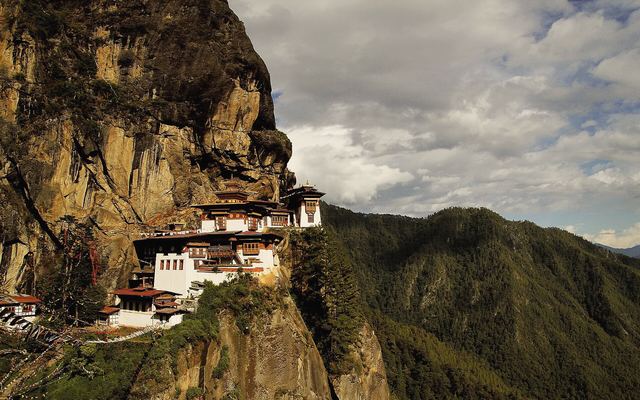
- Tiger's Nest (Paro Taktsang)Temples on a cliff 900 m above the Paro valley, around the cave where Guru Rinpoche is said to have meditated.
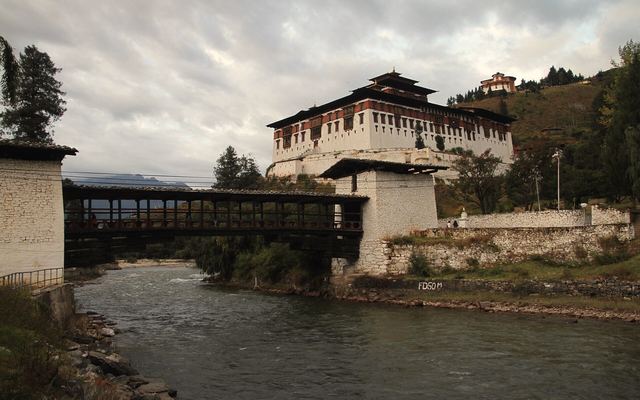
- Rinpung Dzong (Paro Dzong)Paro's fortress on a heap of jewels, built from 1644 to 1646 above a covered wooden bridge.
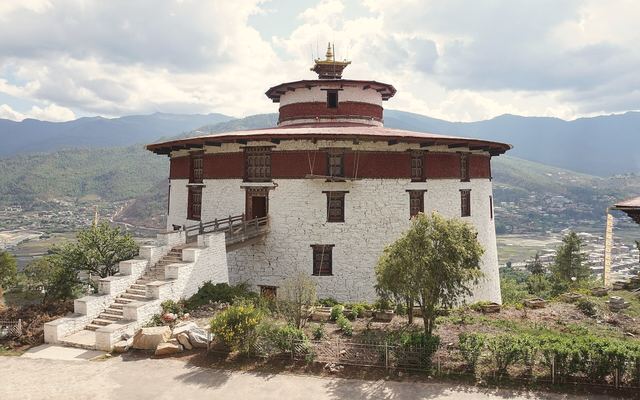 National Museum of Bhutan (Ta Dzong)Bhutan's national museum, in a round watchtower built in 1649 above Paro Dzong.
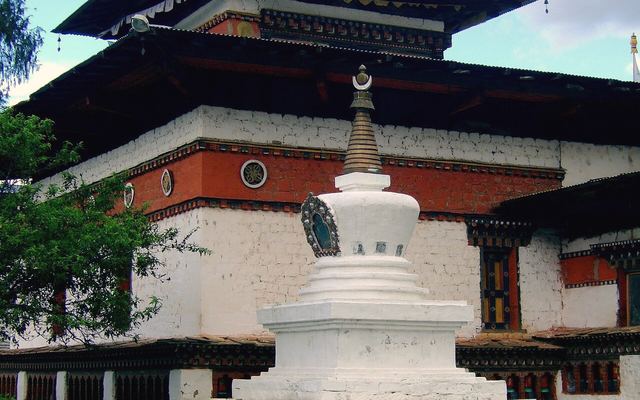 Kyichu LhakhangOne of the two oldest temples in Bhutan, said to have been founded in 659 by the Tibetan emperor Songtsen Gampo.
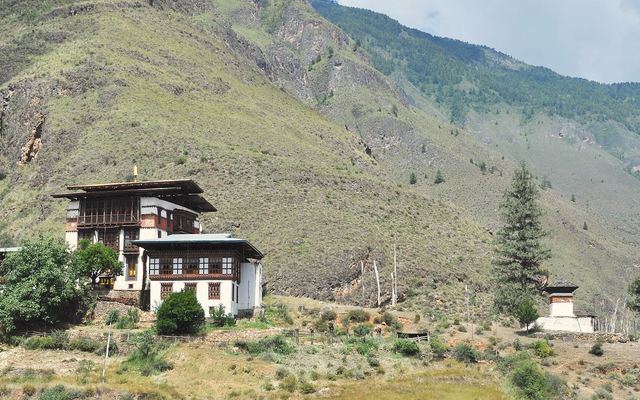 Tachog Lhakhang and the iron bridgeA temple of the iron bridge builder Thangtong Gyalpo's line on the Paro river, reached by an iron chain bridge.
- Chele La passA road pass at about 3,990 m between Paro and Haa, often called the highest in Bhutan.
Punakha
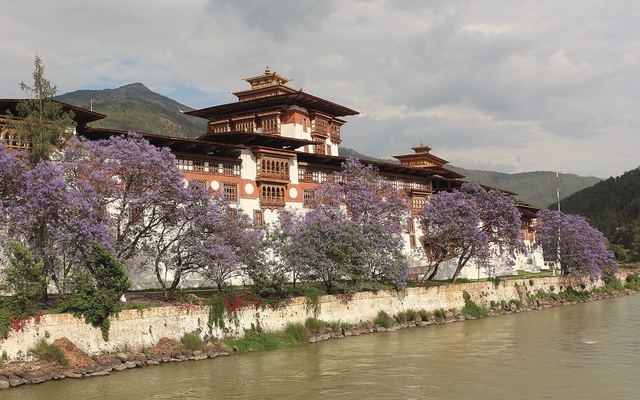 Punakha DzongBhutan's most beautiful dzong, built in 1637 where two rivers meet, and the seat of government until 1955.
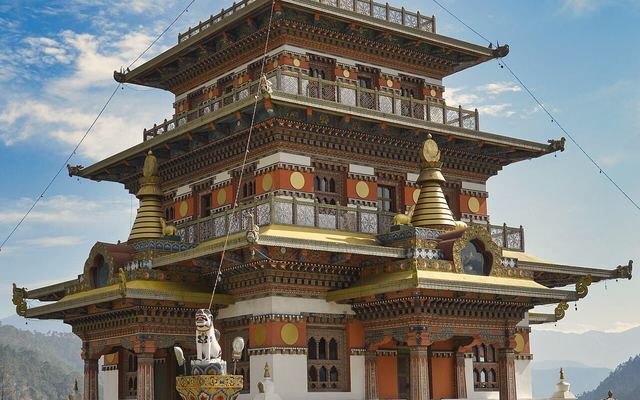 Khamsum Yulley Namgyal ChortenA temple on a ridge above the Punakha valley, reached by a lovely walk through rice fields.
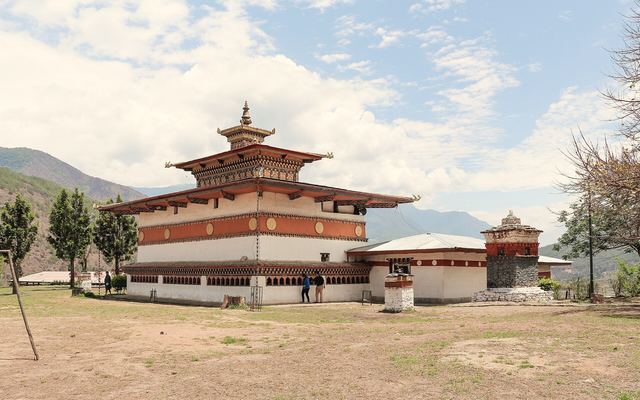 Chimi LhakhangThe temple of the Divine Madman, where couples come to be blessed for children.
Wangdue Phodrang
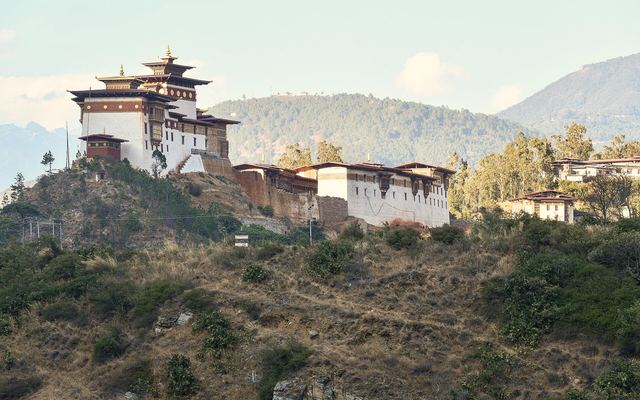 Wangdue Phodrang DzongA dzong of 1638 on a ridge above two rivers. It burned in 2012 and was rebuilt by hand, reopening in 2022.
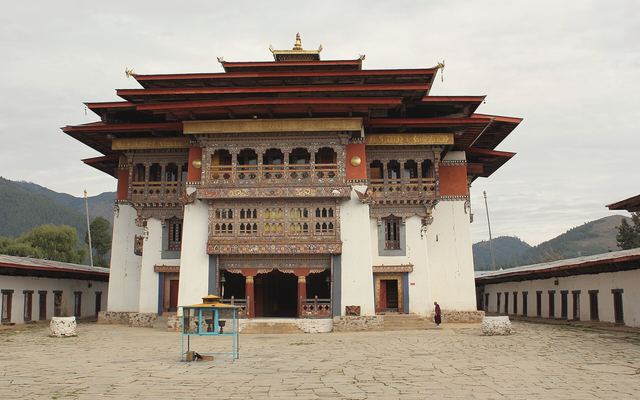 Gangtey GoenpaA monastery founded in 1613 on a knoll above the Phobjikha valley, home of the Gangtey Trulku.
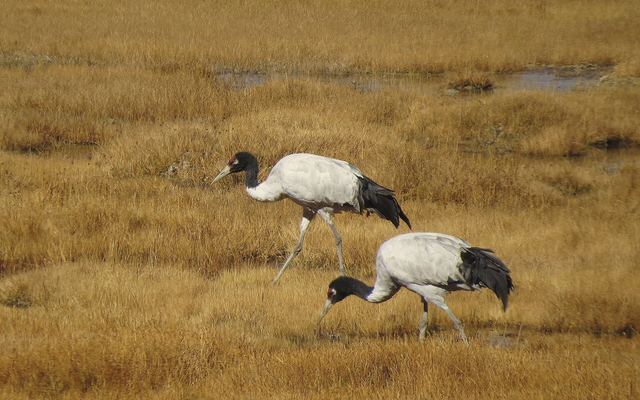 Phobjikha and the black-necked cranesThe wide Phobjikha valley, winter home of the black-necked cranes, and the centre where you learn about them.
Bumthang
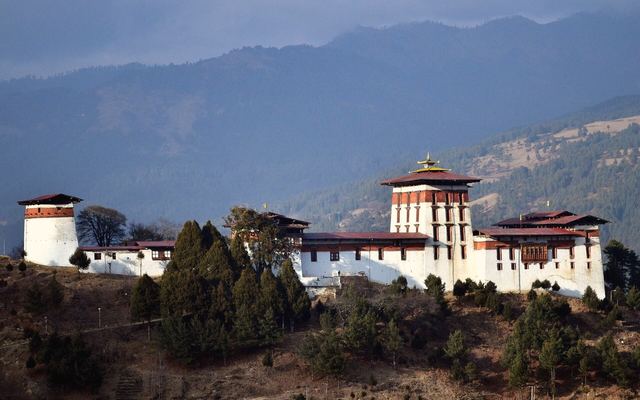 Jakar DzongThe dzong on the hill above Jakar, Bumthang's main town, which began where a white bird landed.
- Jambay LhakhangWith Kyichu in Paro, the oldest temple in Bhutan, by tradition founded in 659.
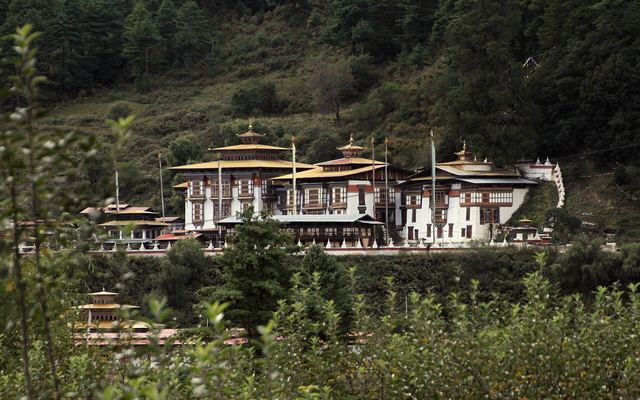 Kurjey LhakhangThree temples in a row where Guru Rinpoche is said to have left the print of his body in a rock.
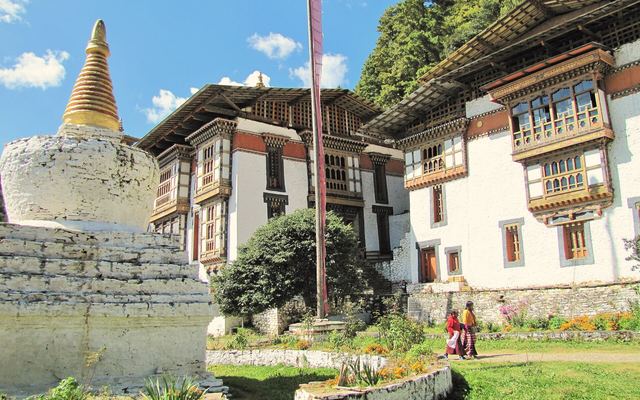 Tamshing LhakhangBuilt in 1501 by the saint Pema Lingpa, with some of the oldest wall paintings in Bhutan.
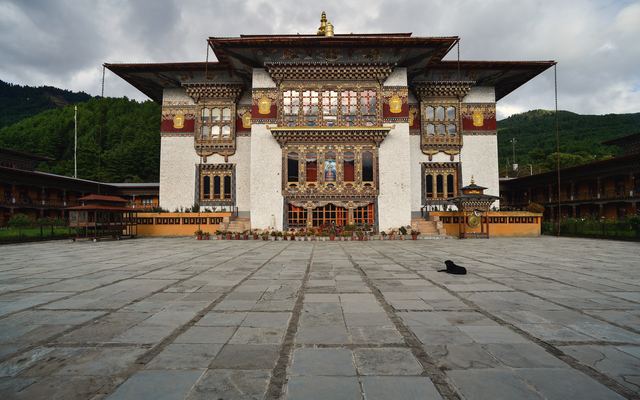 Konchogsum LhakhangThe temple of the three jewels, a few minutes' walk from Tamshing: very old in its foundations, new in its walls.
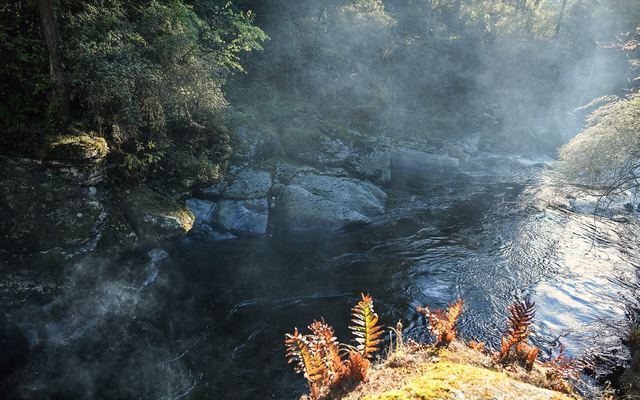 Mebar Tsho, the Burning LakeA deep pool in a river gorge in the Tang valley, where a saint is said to have found treasure with a burning lamp.
- Ogyen CholingAn old manor at the top of the Tang valley, now a museum of how a noble Bhutanese household lived.
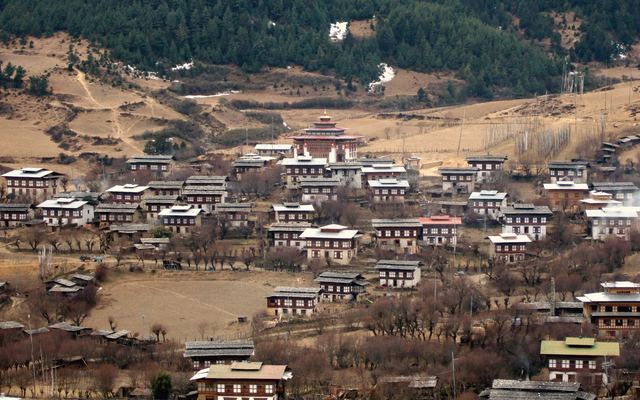 Ura villageThe highest of Bumthang's four valleys, with old houses packed close round a temple.
Haa
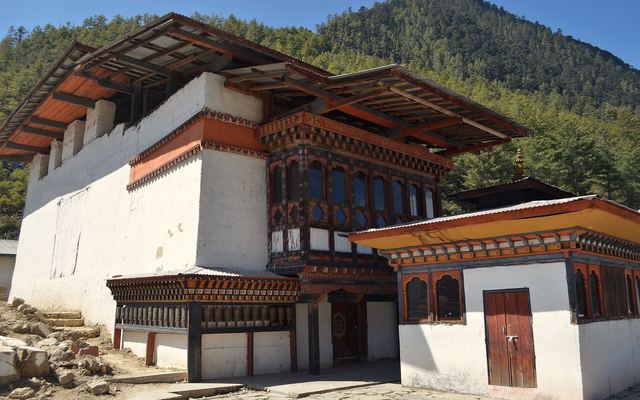
Phuntsholing
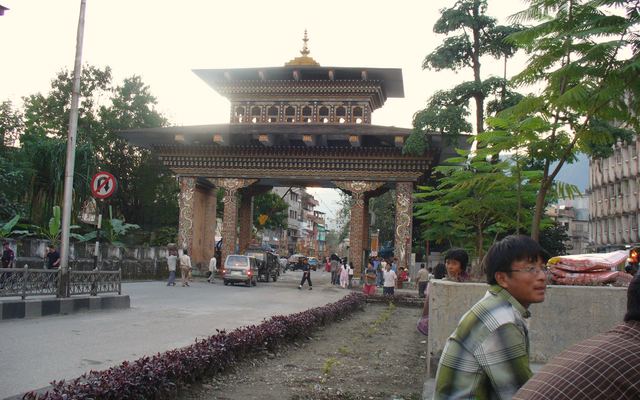 The Bhutan Gate, PhuntsholingThe painted gateway on Bhutan's busiest land border, between Phuntsholing and Jaigaon in India.
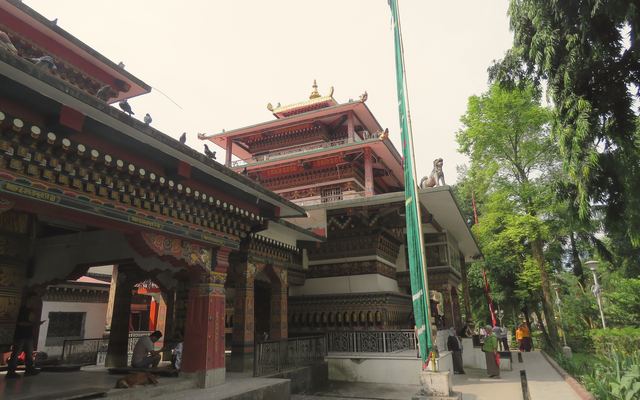 Zangdopelri Lhakhang, PhuntsholingA temple in the middle of Phuntsholing, shaped like Guru Rinpoche's palace in paradise.
- Kharbandi GoenpaA monastery on the hill above Phuntsholing, founded in 1967 by the Royal Grandmother, with wide views over the plains of India.